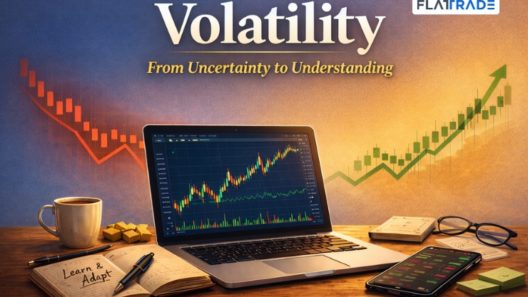

Stock markets rarely move in a straight line. Volatility can feel challenging even for experienced traders. Sharp price swings, global headlines, and sudden shifts in sentiment can make markets appear unpredictable. During such periods, traders and investors may feel anxious about market direction and portfolio performance.
However, volatility does not necessarily signal the end of opportunity. It is often a temporary phase in the market cycle. By understanding market behavior, learning from past events, and maintaining a disciplined approach, traders and investors can navigate volatility more confidently.
What is Market Volatility?
Market volatility refers to the speed and magnitude of price movements in financial assets over a short period of time. While sharp price swings can create uncertainty, volatility is also a natural part of how markets function.
For investors, volatility is closely linked to risk and opportunity.
Several factors can trigger volatility, including:
- Economic policy changes
- Global geopolitical developments
- Inflation or interest rate shifts
- Unexpected financial events
- Market sentiment and speculation
Although short-term movements may appear unpredictable, markets have historically shown an upward trend over longer periods as economies grow, businesses expand, and innovation continues.
Lessons from History
Understanding how markets have reacted to past disruptions can help provide perspective during uncertain periods.
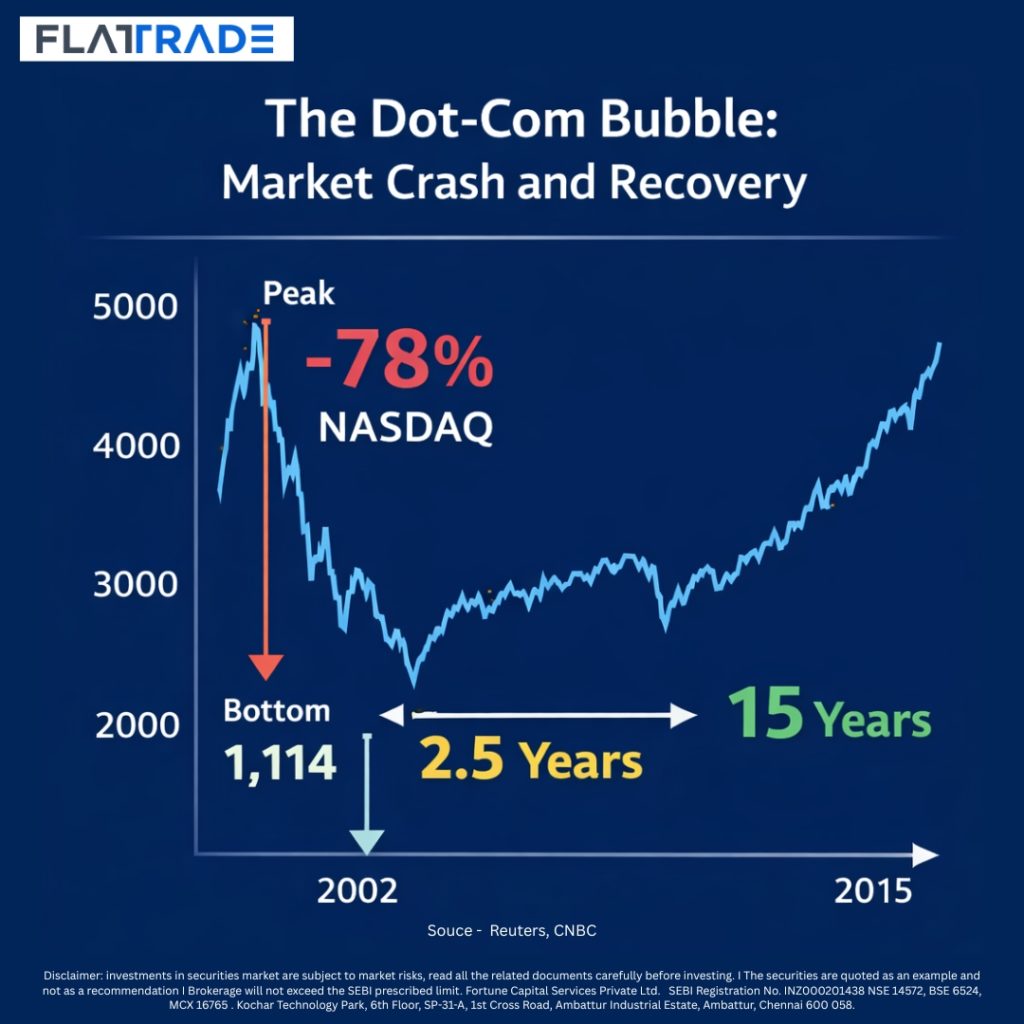
The Dot-Com Bubble Crash (2000–2002)
During the late 1990s, enthusiasm around internet-based companies drove technology stock valuations to unusually high levels. Many investors poured money into tech startups, creating a speculative bubble.
When several companies failed to meet expectations, the bubble burst around 2000, leading to sharp declines in technology stocks and major indices such as the NASDAQ.
Over time, stronger companies adapted, and markets gradually recovered. The episode highlighted how markets can stabilize and move forward even after significant corrections.
The Global Financial Crisis (2008)
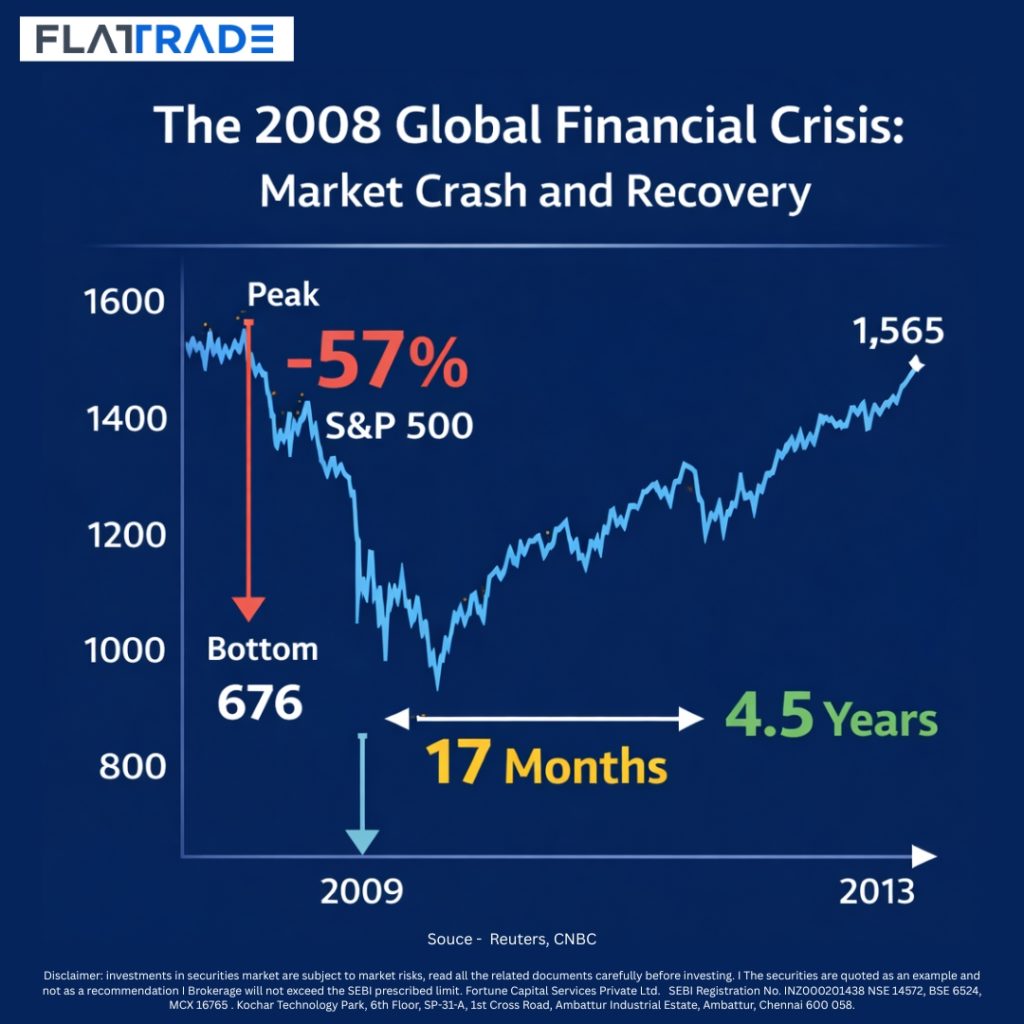
The 2008 financial crisis triggered one of the steepest market downturns in modern history. The crisis originated in the US housing market and quickly spread across global financial systems.
Major indices worldwide experienced significant declines as banking institutions collapsed and economic growth slowed sharply.
However, over time, global markets stabilized and gradually recovered. Economic reforms, stimulus measures, and improving corporate performance helped restore investor confidence.
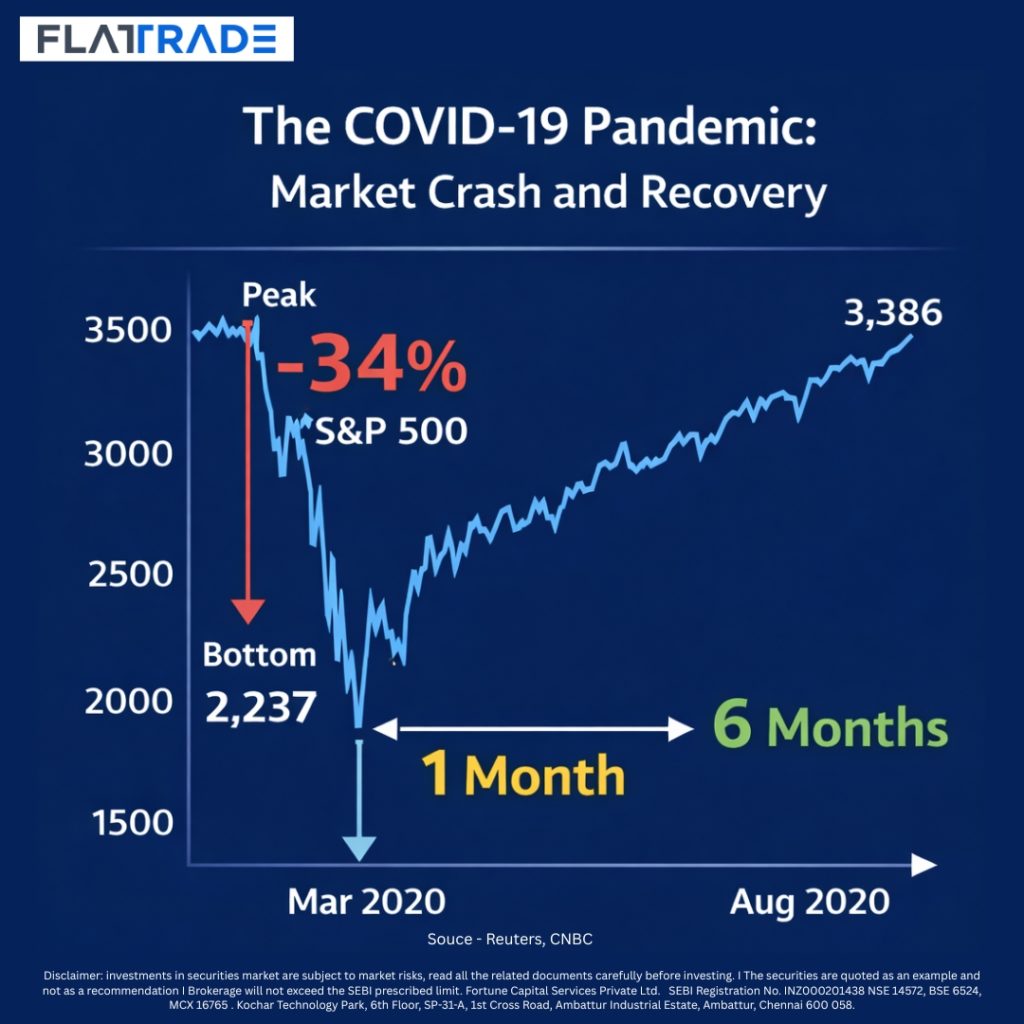
The COVID-19 Market Shock (2020)
In early 2020, global markets reacted sharply to the outbreak of the COVID-19 pandemic. Lockdowns, supply chain disruptions, and widespread economic uncertainty led to steep declines across equity markets.
Yet markets began recovering sooner than many expected as governments introduced stimulus measures and businesses adapted to new operating environments. This period demonstrated how quickly market sentiment can shift once stability begins to return.
How Traders Can Stay Confident During Volatility?
Periods of volatility often test emotional discipline. However, maintaining a structured approach can help traders navigate uncertainty more effectively.
Avoid Emotion-Driven Decisions
Market swings can trigger fear or overconfidence. Acting purely on emotion may lead to impulsive decisions that do not align with a trading strategy. Traders should rely on research, analysis, and a well-defined plan when making decisions.
Focus on Long-Term Market Trends
Short-term fluctuations can sometimes overshadow broader market trends. Historically, markets have demonstrated resilience by recovering from downturns and continuing their long-term growth trajectory. Maintaining a broader perspective helps prevent short-term volatility from influencing long-term decisions.
Diversification Helps Manage Risk
Diversifying investments across asset classes, sectors, and geographies can help reduce the impact of volatility on a portfolio. By spreading exposure, investors avoid relying heavily on a single market segment.
Use Volatility as a Learning Opportunity
Volatile perioLorem ipsum dolor sit amet, consectetur adipiscing elit. Ut elit tellus, luctus nec ullamcorper mattis, pulvinar dapibus leo.ds often highlight the importance of:
- Risk management
- Portfolio review
- Market awareness
For many traders, such phases provide an opportunity to better understand market cycles and refine their trading strategies.
The Role of the Right Trading Platform
Market knowledge and discipline are essential, but having access to the right trading tools also plays an important role in navigating volatile markets.
A reliable platform can help traders monitor price movements, access analytical tools, and execute trades efficiently during periods of rapid market changes.
Platforms like Flattrade aim to simplify the trading experience by offering a zero brokerage model across segments, allowing traders to focus more on strategy rather than transaction costs.
By combining the right platform with a disciplined trading approach, market participants can stay better prepared to navigate periods of volatility.
The Road Ahead
Market volatility can test investor confidence, but it can also encourage deeper analysis, strategic thinking, and disciplined investing.
Over time, markets have repeatedly demonstrated their ability to recover and adapt to changing global conditions.
For traders and investors, staying informed, maintaining discipline, and focusing on long-term objectives can help build confidence during uncertain periods.
Rather than reacting to short-term turbulence, a measured and well-researched approach allows market participants to navigate volatility with greater clarity and resilience.