

Oil prices don’t just affect fuel bills.
They quietly influence inflation, interest rates, and even market sentiment.
When oil prices move sharply, the impact is felt across the economy. For investors, understanding this chain reaction helps make sense of broader market movements.
Why Do Oil Prices Rise?
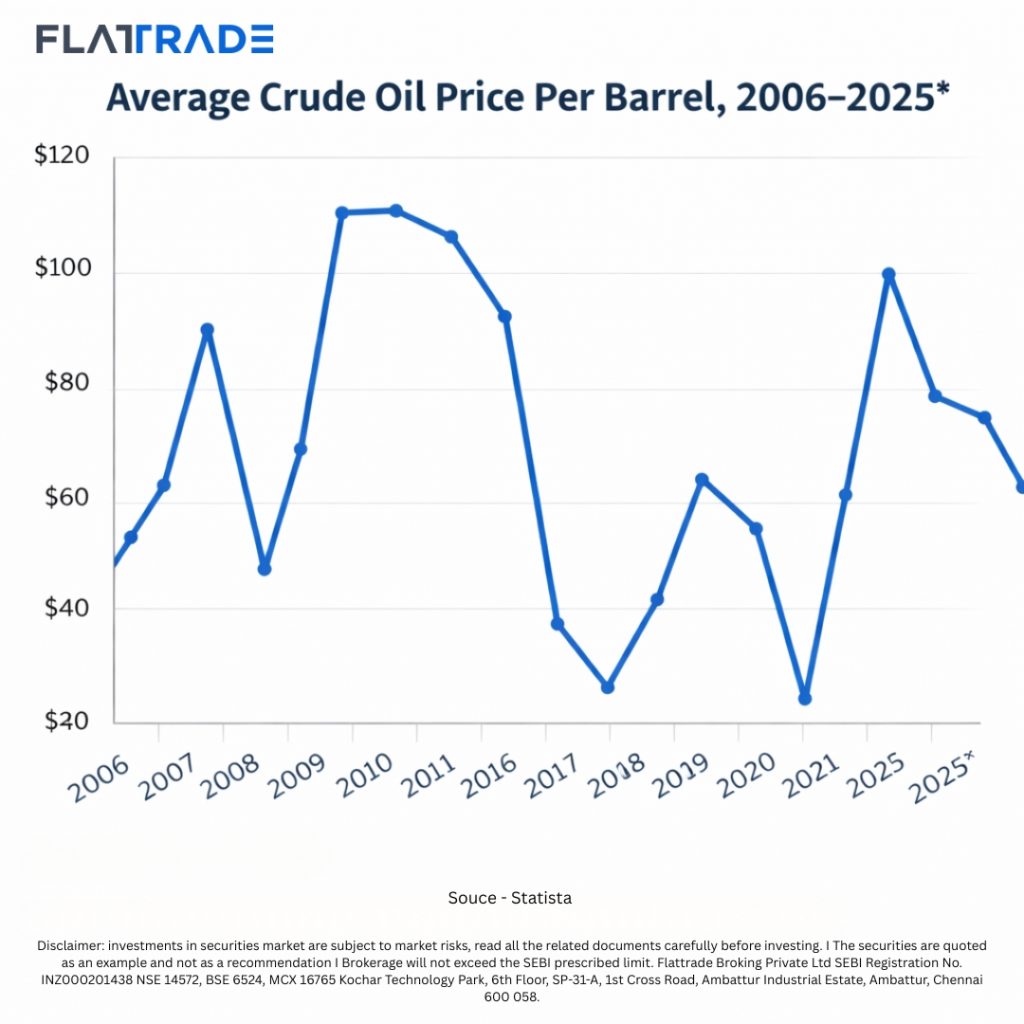
Oil prices are driven by a mix of global factors, mainly supply and demand.
Some key drivers include:
- Supply disruptions due to geopolitical tensions, sanctions, or production cuts
- Rising global demand during periods of economic growth
- Currency movements, especially fluctuations in the US dollar
- Production decisions by OPEC+
Even small changes in supply or demand can push prices higher quickly.
How Oil Prices Influence Inflation?
Oil is a core input across industries. When prices rise, costs increase across the economy.
1. Higher Transportation Costs
Fuel price increases raise logistics and shipping costs, affecting the price of goods.
2. Increased Manufacturing Costs
Oil is used in production processes and as a raw material in sectors like chemicals and plastics.
3. Food Inflation
Agriculture depends on fuel for machinery and transportation, making food prices sensitive to oil movements.
4. Higher Energy Expenses
Rising crude prices can lead to higher electricity and fuel costs for households.
For import-dependent countries like India, these effects tend to be more pronounced.
Impact on Financial Markets
Oil price movements often reflect in market behaviour:
- Equity Markets:
Sectors like aviation, logistics, and FMCG may face cost pressure, while oil and gas companies may benefit
- Interest Rates:
Higher inflation may lead central banks to adjust monetary policy
- Currency Movements:
Higher import bills can put pressure on currencies in oil-importing countries
What Investors May Consider?
Oil-driven inflation can create both challenges and shifts in market dynamics.
Here are a few aspects investors may track:
1. Inflation Trends
Sustained inflation can influence interest rates and valuations
2. Sector Performance
Different sectors respond differently to rising oil prices
3. Portfolio Balance
Diversification can help manage volatility during such periods
4. Policy Signals
Central bank actions often follow inflation trends driven by oil prices
Final Thoughts
Oil prices are more than just a headline.
They are a key economic signal that can influence inflation, policy decisions, and market direction.
Understanding how these factors connect can help investors interpret market movements with greater clarity.
A steady, informed approach often works best during periods of global uncertainty.