
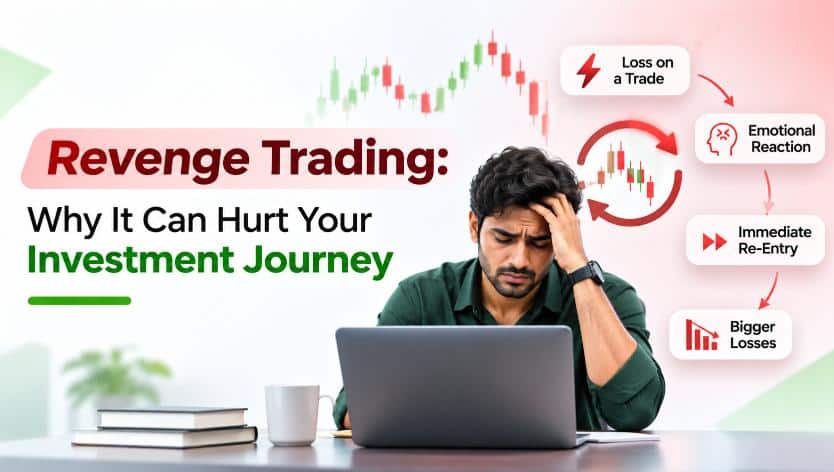
Every trader experiences losses, but what happens after a loss often determines long-term success. Revenge trading is the act of placing impulsive trades immediately after a loss in an attempt to recover money quickly. Instead of following a trading plan, emotions such as frustration, anger, or fear take control, often leading to even bigger losses.
What is Revenge Trading?
Revenge trading occurs when traders abandon their strategy after a losing trade and start taking unnecessary risks to “win back” their losses. These trades are usually driven by emotion rather than market analysis.
Common Signs of Revenge Trading
- Placing trades immediately after a loss without proper analysis.
- Increasing position size to recover losses quickly.
- Ignoring stop-loss levels or risk management rules.
- Taking multiple trades within a short period.
- Feeling frustrated, angry, or desperate while trading.
Why is Revenge Trading Dangerous?
1. Larger Losses
Trying to recover losses quickly often results in taking excessive risks, which can lead to even greater financial losses.
2. Emotional Decision-Making
Successful trading requires discipline and patience. Emotional trading often leads to poor entry and exit decisions.
3. Ignoring Your Trading Plan
Revenge traders frequently abandon their trading strategy, increasing the likelihood of making costly mistakes.
4. Increased Stress
Continuous losses and emotional trading can create unnecessary stress and reduce confidence, making future decisions even more difficult.
How to Avoid Revenge Trading
Follow Your Trading Plan
Enter trades only when your predefined strategy gives a valid signal.
Use Stop-Loss Orders
Always define your maximum acceptable loss before entering a trade.
Set a Daily Loss Limit
Decide how much you’re willing to lose in a single day. If you reach that limit, stop trading and review your performance.
Take a Break
After a losing trade, step away from the screen for a while. A short break can help you regain focus and avoid emotional decisions.
Maintain a Trading Journal
Record every trade, including the reason for entering and exiting. Reviewing your trades helps identify emotional patterns and improve discipline.
Final Thoughts
Losses are a normal part of trading, but revenge trading can turn a small loss into a much larger one. Successful traders accept losses, stick to their trading plan, manage risk carefully, and focus on long-term consistency rather than trying to recover losses immediately. Discipline – not emotion – is one of the most valuable skills in the stock market.