



India has emerged as the world’s third-largest domestic aviation market, with the sector playing a vital role in connectivity, trade, and tourism. Over the past decade, aviation has been one of the fastest-growing industries in the country.
With strong passenger demand, expanding networks, and rising international relevance, 2025 was expected to be a landmark year for Indian aviation. However, rapid growth collided with operational constraints, regulatory pressures, and safety-related events that tested airlines, regulators, and passengers alike. These were not isolated incidents. Together, they influenced industry operations, profitability, policy decisions, and overall confidence.
For context, Bengaluru’s Kempegowda International Airport handled around 43.8 million passengers in 2025, driven by a notable rise in international traffic.
Infrastructure Development
India’s airport network continued to expand capacity through greenfield projects and upgrades to existing terminals. Data from the Airports Authority of India indicates steady traffic growth across major hubs as well as several regional airports.
Passenger traffic forecasts by credit rating agencies and research firms suggest continued growth into FY2026, largely in the upper single-digit range. Investments in runways, terminals, cargo infrastructure, and regional connectivity are gradually reshaping air travel dynamics, particularly by improving international connectivity from tier-1 and tier-2 cities.
However, infrastructure upgrades remain critical for sustaining growth. Without timely capacity expansion, rising congestion, slot constraints, and delays risk eroding both passenger experience and airline economics.
Profitability Challenges
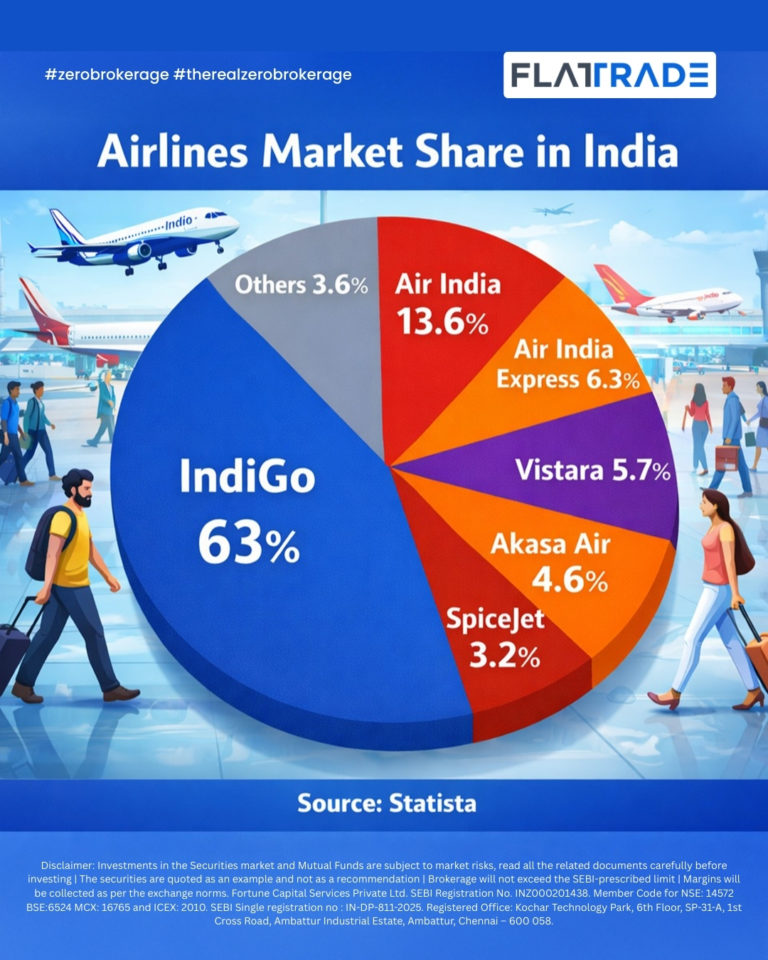
Large Indian airlines continued to add aircraft to protect and expand market share. IndiGo retained its leadership position in FY25, with disclosures and analyst commentary pointing to healthy revenue growth and profitability, even as costs related to fuel, aircraft leasing, and financing remained elevated.
Air India, under Tata Group ownership, reported strong top-line growth as it accelerated its turnaround efforts. At the same time, it navigated legacy integration challenges, large fleet orders, and operational constraints that became evident throughout the year.
While scale offers advantages in India’s low-cost and hybrid aviation market, it does not eliminate cyclical risks. Sustainable performance depends on disciplined yield management, a balanced domestic-international capacity mix, and prudent fleet and funding decisions.
Demand Trends and Operational Stress
Passenger demand continued to rise in 2025, driven by the post-pandemic recovery in air travel. Airlines added capacity rapidly and optimised schedules to improve aircraft utilisation. However, this efficiency-focused approach left limited room for disruption.
This vulnerability became visible during the peak winter season in December 2025, when one of India’s largest airlines cancelled nearly 4,500 flights over several days. The cancellations were linked to scheduling issues arising from updated pilot duty and rest regulations. Thousands of passengers were affected, forcing temporary regulatory relaxations and eventually leading to penalties for operational planning failures.
The episode highlighted a key lesson: rapid capacity expansion without adequate operational resilience can weaken reliability and undermine passenger trust, especially during peak periods.
Safety Management and Oversight
In January 2025, the government implemented the Bharatiya Vayuyan Adhiniyam 2024, aimed at modernising India’s aviation regulatory framework. At the same time, accidents, airspace disruptions, and operational incidents throughout the year pushed safety and oversight back into sharp focus.
The tragic Air India aircraft crash on June 12 marked a defining moment. Beyond the immediate human loss, it triggered deeper scrutiny across the industry. Growth ambitions were once again evaluated through the lens of safety systems, crew fatigue management, and regulatory compliance.
Routine operations were also tested by weather disruptions, security alerts, and infrastructure limitations. Dense winter fog at northern airports caused prolonged delays, exposing uneven deployment of advanced landing systems nationwide. These incidents reinforced how quickly reputational risk can escalate in a globally connected aviation ecosystem.
Evolving Regulatory Enforcement
In response to operational and safety concerns, regulatory enforcement became more visible and assertive. The DGCA signalled a firmer stance on accountability, making it clear that operational lapses, even by market leaders, would attract penalties and closer scrutiny.
At the same time, initiatives such as UDAN and cargo infrastructure expansion continued to strengthen regional connectivity. Several smaller airports recorded their strongest traffic months in 2025, while cargo volumes benefited from growth in e-commerce and manufacturing exports.
Compliance, once seen as a back-office function, increasingly became a strategic priority tied directly to airline reputation and business continuity.
Looking Ahead: A Test of Maturity
Passenger volumes are expected to rise further in FY2026, with international travel likely to grow faster than domestic routes as wide-body capacity expands and global connectivity improves.
The central question for the industry is no longer about demand, but about execution.
Can airlines convert rising bookings into consistently reliable operations, especially during peak seasons?
Can airport infrastructure scale fast enough to prevent congestion from becoming routine?
In many ways, FY2026 is shaping up not as a test of growth, but as a test of maturity – one that will determine how sustainably India’s aviation sector can evolve.
Sources: DGCA, Airports Authority of India, Ministry of Civil Aviation, Economic Times, Financial Express