

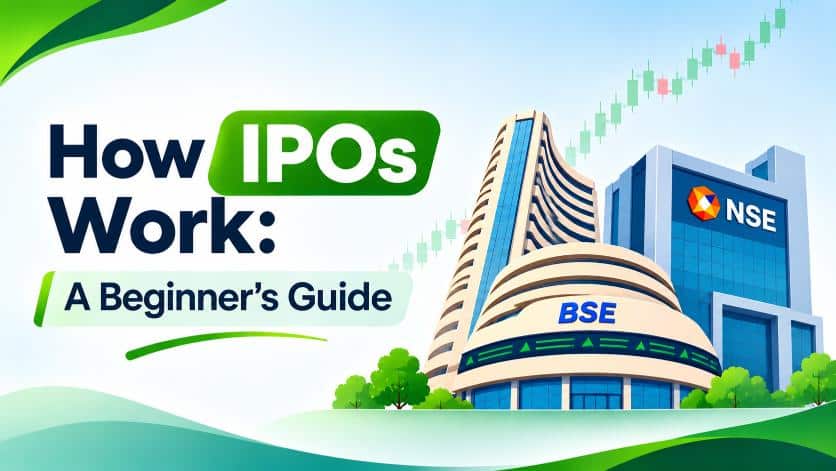
An Initial Public Offering (IPO) is the process through which a private company offers its shares to the public for the first time and gets listed on a stock exchange like the NSE or BSE. Companies launch IPOs to raise capital for expansion, repay debt, fund acquisitions, or provide an exit opportunity to existing investors.
Step-by-Step IPO Process
1. Company Decides to Go Public
The company appoints merchant bankers (Book Running Lead Managers) who help determine the issue structure, valuation, and regulatory compliance.
2. Filing the DRHP
The company files a Draft Red Herring Prospectus (DRHP) with SEBI. This document contains details about the company’s business, financial performance, risks, promoters, and how the IPO funds will be used.
3. SEBI Review
SEBI reviews the DRHP to ensure that all required disclosures are made. It is important to note that SEBI’s review is not an endorsement of the investment.
4. IPO Opens for Subscription
The company announces the IPO dates, price band, and lot size. Investors apply through ASBA or UPI via their bank or broker during the subscription period.
5. Share Allotment
After the subscription closes, shares are allotted based on demand. If the IPO is oversubscribed, allotment may be done proportionately or through a lottery process for eligible categories.
6. Listing on the Stock Exchange
Once allotted shares are credited to investors’ Demat accounts, the company gets listed on the stock exchange. From the listing day, investors can buy or sell the shares in the secondary market.
Things Investors Should Check Before Applying
- Company financial performance
- Business model and growth potential
- Risk factors mentioned in the prospectus
- Valuation compared to industry peers
- Purpose of raising funds
Final Thoughts
An IPO offers investors an opportunity to invest in a company at the time it enters the stock market. However, every IPO carries risks, and listing gains are never guaranteed. Always read the prospectus carefully and evaluate the company’s fundamentals before making an investment decision.
Add a simple IPO application exampleExplain key IPO terms for beginners